
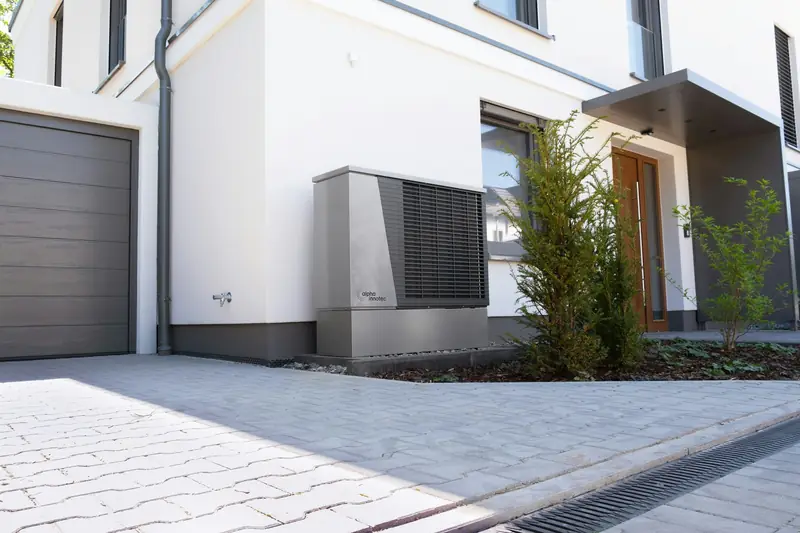
When to replace your air conditioner
Replace an air conditioner when it's about 12 to 15 years old or more and needs a major repair, uses R-22 refrigerant and is leaking, or can no longer keep the house comfortable.
- Compressor failure on a system that's out of warranty. A compressor replacement on an older unit often costs close to what a new condenser does.
- Repeated evaporator coil leaks. Once a coil has started corroding, patching one leak often just moves the problem somewhere else.
- R-22 refrigerant. R-22 is no longer produced, and recharging these systems keeps getting more expensive.
- Comfort problems that repairs haven't fixed: the system runs all afternoon and the house still won't cool, or some rooms never do.
- Rising repair frequency. 2 or 3 repairs in 2 summers usually means more are coming.
Replacing only the outdoor unit and keeping an old indoor coil rarely works out. The 2 have to be a matched, rated combination. New systems also use different refrigerants (A2L refrigerants such as R-454B and R-32 since 2025) that the old coil isn't designed for.
Adding central air conditioning to an older home
Many older Santa Rosa homes were built without air conditioning, relying on cool nights and open windows. How you add cooling depends on what's there now:
- A gas furnace with ductwork: add an evaporator coil on the furnace and an outdoor condenser. Check the ducts first. Ducts sized only for heating are sometimes too small to move the airflow cooling needs.
- Ducts and a furnace that's also old: price a heat pump. It adds cooling and replaces the furnace in one project.
- No ducts (wall furnace, floor furnace, baseboard heat): a ductless mini-split usually costs less and means far less demolition than building a duct system.
How AC installation and replacement works
- Home visit and load calculation. Room-by-room heat gain (Manual J), accounting for windows, orientation, insulation, and shading. We also look at the duct system and the electrical supply.
- Equipment selection. A matched outdoor unit and indoor coil at the right capacity. You choose the efficiency tier and single-stage, 2-stage, or variable-speed operation.
- Permit. A mechanical permit from the City of Santa Rosa, plus an electrical permit if circuit work is needed.
- Removal. Refrigerant in the old system is recovered (venting it is illegal). Then the old condenser and coil are taken out.
- Installation. A level pad and condenser, the coil, a new or properly cleaned line set, the disconnect and electrical whip, a condensate drain with overflow protection, and thermostat wiring.
- Evacuation and commissioning. The system is pressure-tested with nitrogen, pulled into a deep vacuum, and charged to specification. Then airflow and temperature split are verified.
- HERS verification and permit final. An independent HERS rater tests duct leakage and refrigerant charge or airflow, then the City inspector closes the permit.
California permits and HERS testing for AC replacement in Santa Rosa
Santa Rosa is in California Energy Commission climate zone 2. Under Title 24, Part 6, replacing an AC condenser, heat pump, indoor coil, air handler, or furnace counts as an alteration. That requires a permit, and in most cases a third-party HERS rater has to verify the work before the City closes the permit.
The usual tests are duct leakage and refrigerant charge or airflow. If the existing ducts leak more than the code allows, they have to be sealed and retested.
That affects you in 3 ways:
- Cost and schedule. Permit fees, the HERS rater's visit, and any duct sealing are real parts of the job. 2 quotes can differ a lot depending on whether they include them.
- Comfort. In older Santa Rosa homes, attic and crawlspace ducts are often the largest source of lost cooling. Sealing them during the replacement fixes problems a bigger AC never would. See ductwork repair.
- Resale. Unpermitted equipment changes can come up during a home sale inspection and cause delays.
Ask every installer, including us, to spell out whether the permit, HERS testing, and duct sealing are included.
What affects AC installation cost in Santa Rosa
AC installation cost depends on system size, efficiency and staging, how much of the existing equipment is reused, and the electrical and duct work the house needs.
- Capacity: the tonnage from the load calculation.
- Efficiency and staging: single-stage, 2-stage, or variable-speed. California sits in the federal Southwest efficiency region, which sets higher SEER2 and EER2 minimums for new split AC systems than most of the country.
- Scope: outdoor unit and coil only, or a new furnace or air handler as well.
- Line set: reusing and flushing it versus running a new one, plus the length and route.
- Ducts: sealing or repairs needed to pass HERS testing, or new returns to fix airflow.
- Electrical: a new circuit, disconnect, or a panel upgrade on older homes.
- Site: attic air handlers, condenser placement on a slope, and new pads or condensate routing.
- Permit and HERS fees.
New air conditioner or heat pump?
If the furnace is also older, price both options. An outdoor heat pump costs more than a straight AC condenser, but it can take over most or all of the heating. In Santa Rosa's mild winters, that can mean the gas furnace becomes backup or goes away entirely.
If the furnace is newer, a straight AC replacement usually makes more sense. See heat pump installation for the details.
What to expect on AC installation day
A like-for-like replacement of an outdoor unit and coil usually takes 1 day. Replacing the furnace too, adding new circuits, or making duct changes can add a day or more. Before we arrive, clear a path to the attic hatch, garage, or closet where the indoor equipment sits, and to the side yard where the condenser goes.
Keep pets away from open doors and the work area. Plan on the power to the HVAC system being off for part of the day.
After installation, register the equipment with the manufacturer to activate any extended parts warranty, keep the permit and HERS paperwork, and change the filter on schedule. The first annual tune-up is a good time to recheck the system once it has run a full season.
New installations are part of the AC and heating repair in Santa Rosa that HVAC Pros does every day. When an existing system can still be fixed, we start with AC repair instead.
AC installation and replacement FAQs
How long does it take to install a new AC?
A straight replacement of an outdoor unit and indoor coil is usually a 1-day job. A full system with a new furnace or air handler, new circuits, or duct work can take 2 or more days. The HERS test and City inspection come after installation, so the permit closes a few days to a couple of weeks later.
What size air conditioner does my house need?
That comes from a load calculation for your house. Many older systems are oversized. A properly sized system runs longer, steadier cycles, removes more moisture, and wears less.
Can I keep my existing furnace when I replace the AC?
Often, yes, if the furnace is in good shape and its blower can deliver the airflow the new coil needs. If the furnace is over about 15 years old, it's worth pricing both, since replacing them together saves a second round of labor and permits later.
Does a new AC need a permit in Santa Rosa?
Yes. Replacing or adding an air conditioner needs a mechanical permit from the City of Santa Rosa, and in most cases HERS verification of duct leakage and refrigerant charge or airflow before the permit is finaled.
What is an A2L refrigerant?
A2L refrigerants such as R-454B and R-32 replaced R-410A in new residential AC and heat pump equipment starting in 2025. They have a much lower global warming impact. Installers handle them with specific procedures, and they need equipment designed for them, which is one reason an old coil can't be reused with a new outdoor unit.
Plan your AC replacement in Santa Rosa
Call HVAC Pros at (707) 283-3186 to set up a visit. We'll look at the house, the ducts, and the electrical, size the system, and walk you through the options, including whether a heat pump makes more sense.